Creative food packaging plays an essential role in shaping a brand's image. By integrating unique materials and sustainable practices, companies can make a lasting impression.
From biodegradable films to eye-catching designs, the choices are vast. Each element serves not only a functional purpose but also contributes to a compelling brand narrative.
What innovative strategies are brands employing to stand out in a crowded market? The answers might surprise you.
In the evolving landscape of food packaging, innovative materials play a crucial role in capturing consumer attention. Brands increasingly explore unique options such as biodegradable films, edible packaging, and mycelium-based materials. These alternatives not only enhance the visual appeal of products but also offer functional benefits, like increased freshness and reduced waste.
For instance, edible packaging made from seaweed or rice can create a memorable experience, allowing consumers to enjoy the packaging as part of the meal. Mycelium, derived from fungal roots, provides a sustainable option that is both lightweight and sturdy, making it ideal for transporting delicate items.
Furthermore, materials like glass and metal are being reimagined with artistic designs that elevate a brand's aesthetic. By embracing these unique materials, companies can differentiate themselves in a crowded market, appealing to consumers who value creativity and innovation in their food choices.
How can brands effectively reduce their environmental impact while enhancing their market appeal? One solution lies in the adoption of eco-friendly material options for packaging. Biodegradable materials, such as plant-based plastics and compostable films, offer sustainable alternatives that decompose naturally, minimizing landfill waste.
Recycled paper and cardboard not only reduce the need for virgin materials but also appeal to environmentally conscious consumers. Brands can also explore innovative materials like mycelium or seaweed-based packaging, which provide unique branding opportunities while being kind to the planet.
By investing in such eco-friendly materials, companies can showcase their commitment to sustainability, attract a growing demographic of eco-aware customers, and ultimately elevate their brand image in a competitive market.
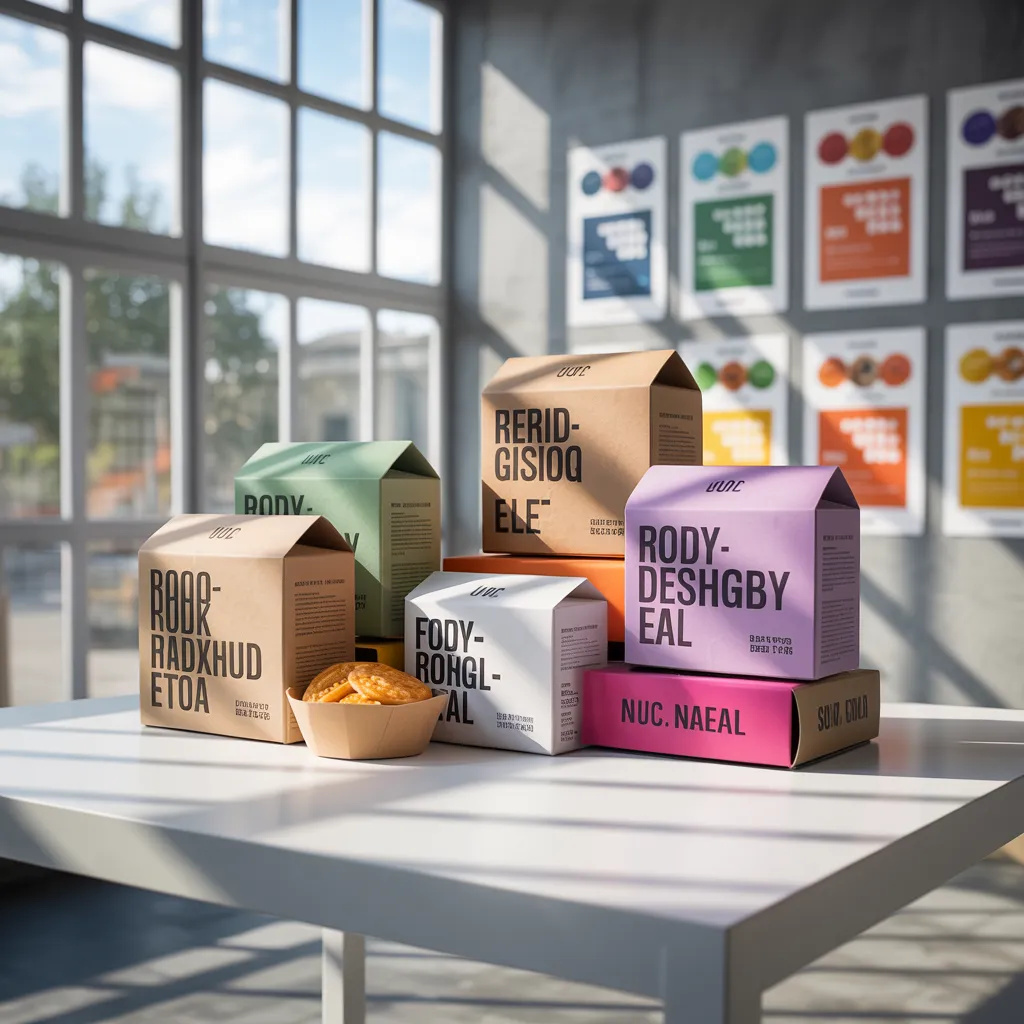
Many brands are discovering that cost-effective sustainable practices can greatly enhance their market position. By integrating eco-friendly materials and reducing waste, companies can not only lower production costs but also appeal to environmentally conscious consumers.
Utilizing recyclable or biodegradable packaging options can considerably reduce long-term expenditures while showcasing a commitment to sustainability. Additionally, optimizing supply chain processes, such as local sourcing and efficient logistics, can decrease carbon footprints and transportation costs. Implementing reusable packaging systems encourages customer participation and fosters a positive brand image.
Ultimately, adopting these sustainable practices allows brands to meet regulatory requirements, improve operational efficiency, and build a reputation as responsible market leaders, all while maintaining a focus on cost-effectiveness.
As brands increasingly adopt cost-effective sustainable practices, the focus shifts to the role of sustainability in fostering brand loyalty. Consumers today are more environmentally conscious, seeking brands that reflect their values.
Sustainable packaging solutions, such as biodegradable materials or reusable containers, resonate with this audience, enhancing brand reputation. By prioritizing eco-friendly options, companies not only reduce their environmental impact but also create an emotional connection with consumers.
This commitment to sustainability can lead to increased customer retention, as loyal patrons often advocate for brands that align with their ethical beliefs. Ultimately, embracing sustainable packaging is not merely a trend; it is a strategic move that can greatly elevate a brand's image while building lasting loyalty.
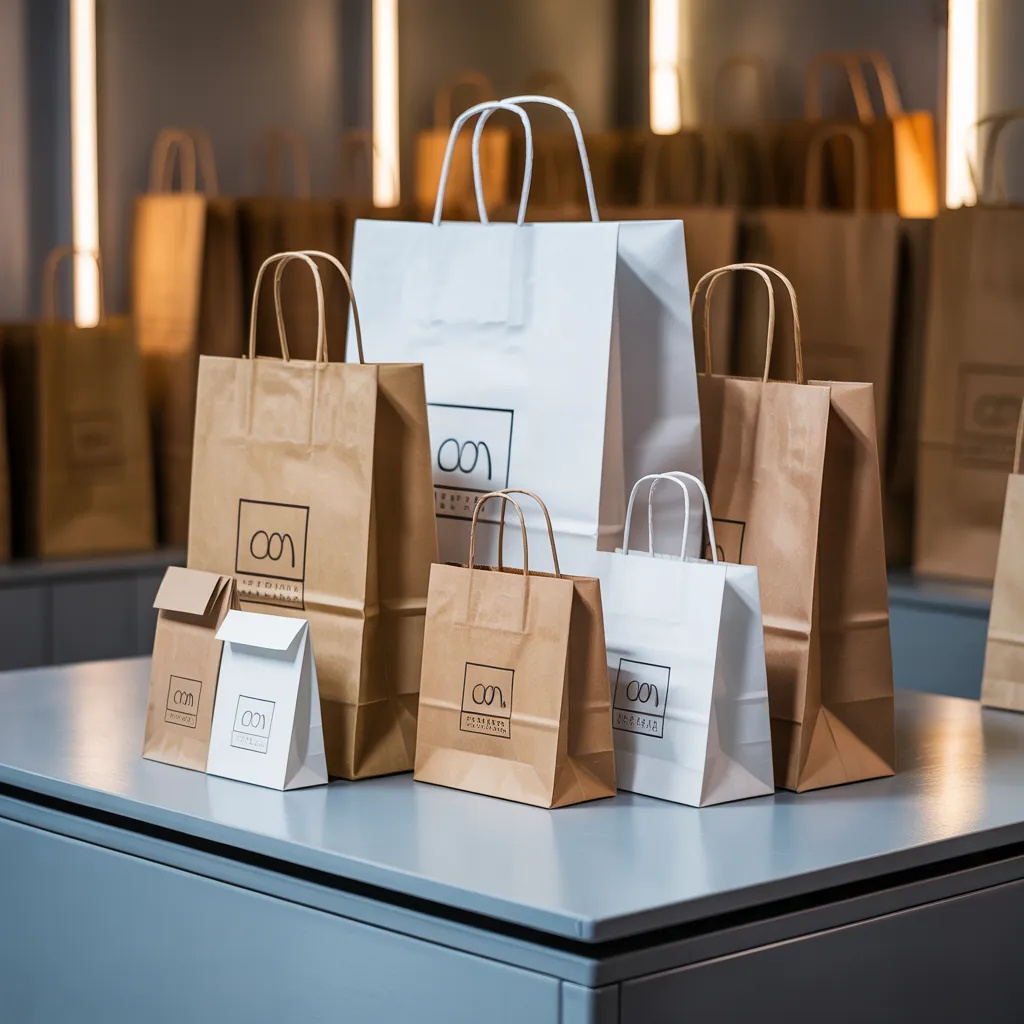
Engaging consumers begins with packaging that tells a story, transforming a mere product into an experience. Storytelling through packaging allows brands to convey their values, mission, and heritage, creating a deeper connection with their audience. For instance, unique designs and thoughtful messaging can evoke emotions, inviting customers to become part of the brand's journey.
By incorporating elements like illustrations, colors, and typography, brands can reflect their identity and the narrative behind their products. This approach not only differentiates them in a crowded market but also fosters loyalty as consumers resonate with the stories told.
Moreover, storytelling can enhance perceived value, making consumers more inclined to choose a product over a competitor's. As brands endeavor to connect with a conscious audience, packaging that embodies a narrative becomes an essential tool for building a lasting brand image. Ultimately, it transforms consumer interactions into meaningful experiences, reinforcing brand loyalty.
Unique geometric designs in food packaging are increasingly becoming a focal point for brands aiming to stand out on crowded shelves. These innovative shapes, from hexagons to irregular polygons, captivate consumers by breaking away from traditional rectangular packaging.
By embracing bold angles and unexpected silhouettes, brands can evoke curiosity and enhance visual appeal. Such designs not only attract attention but also communicate a modern and creative brand identity. Additionally, unique shapes can improve functionality, facilitating better stacking and display options.
As consumers seek fresh experiences, geometric packaging serves as a compelling marketing tool, making products more memorable and desirable. Ultimately, these distinctive designs can elevate a brand's image, fostering a deeper connection with its audience.
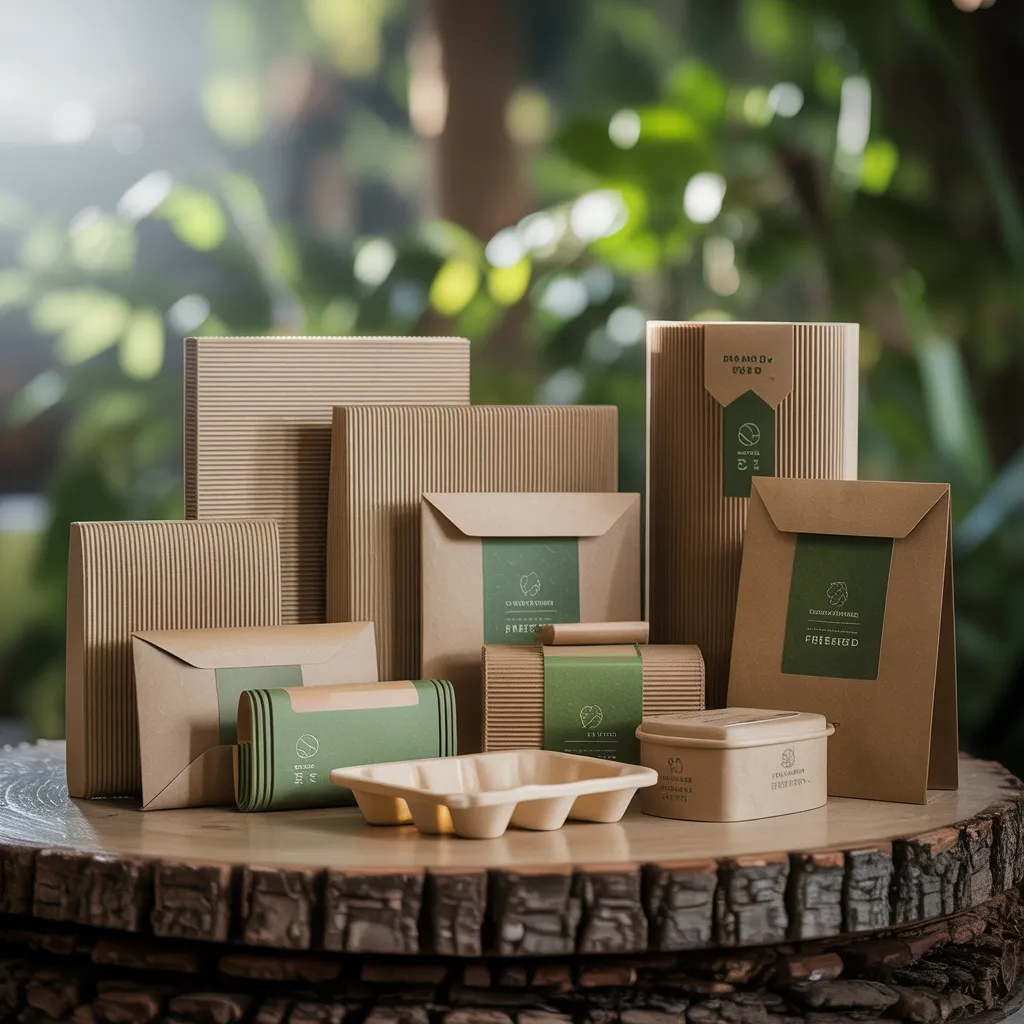
Eco-friendly packaging options tend to be slightly more expensive due to sustainable materials and production methods. However, many consumers prioritize environmental benefits, often viewing the higher cost as a worthwhile investment for sustainability.
Government regulation greatly shapes packaging innovation by establishing safety standards, promoting sustainable materials, and encouraging transparency. These guidelines drive manufacturers to develop eco-friendly solutions that meet consumer demands while ensuring compliance with health and environmental regulations.
Reusing food packaging containers can be safe if they are thoroughly cleaned and suitable for reuse. However, it is essential to check for signs of wear, damage, or contamination before considering them for storage again.